Filter
Insects

Gypsy Moths

Gypsy Moths
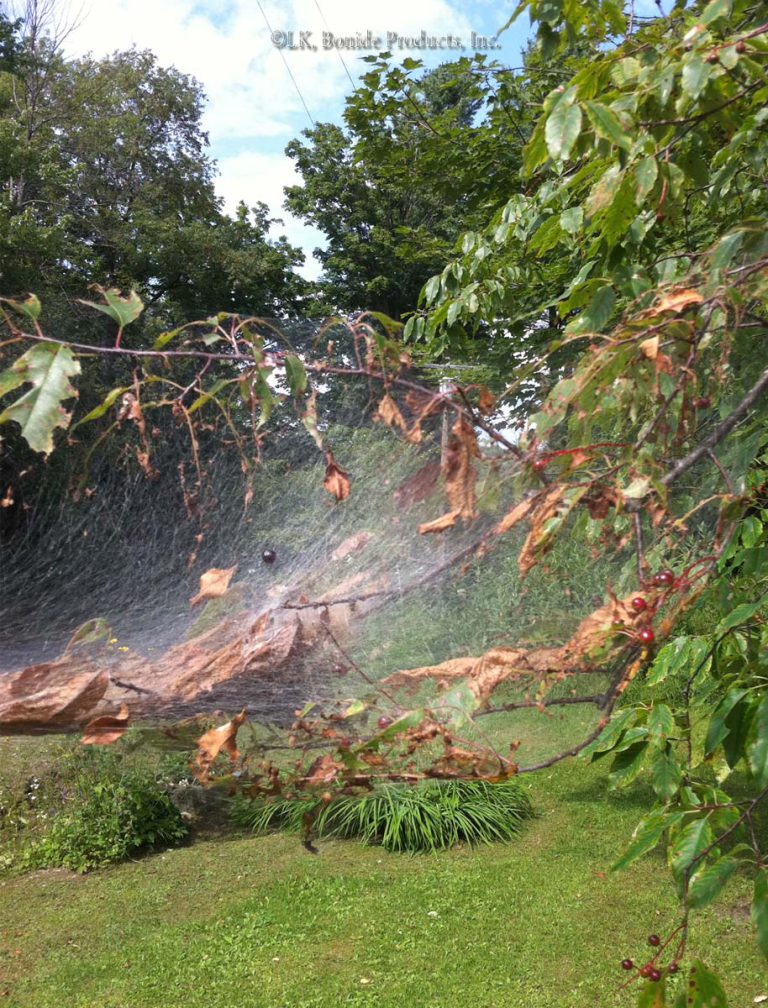
Since its accidental release in Massachusetts in 1869, this pest has defoliated millions of acres of trees in the East. A notorious hitchhiker (hence the name "gypsy"), it's gradually moving...

Harlequin Bugs

Harlequin Bugs
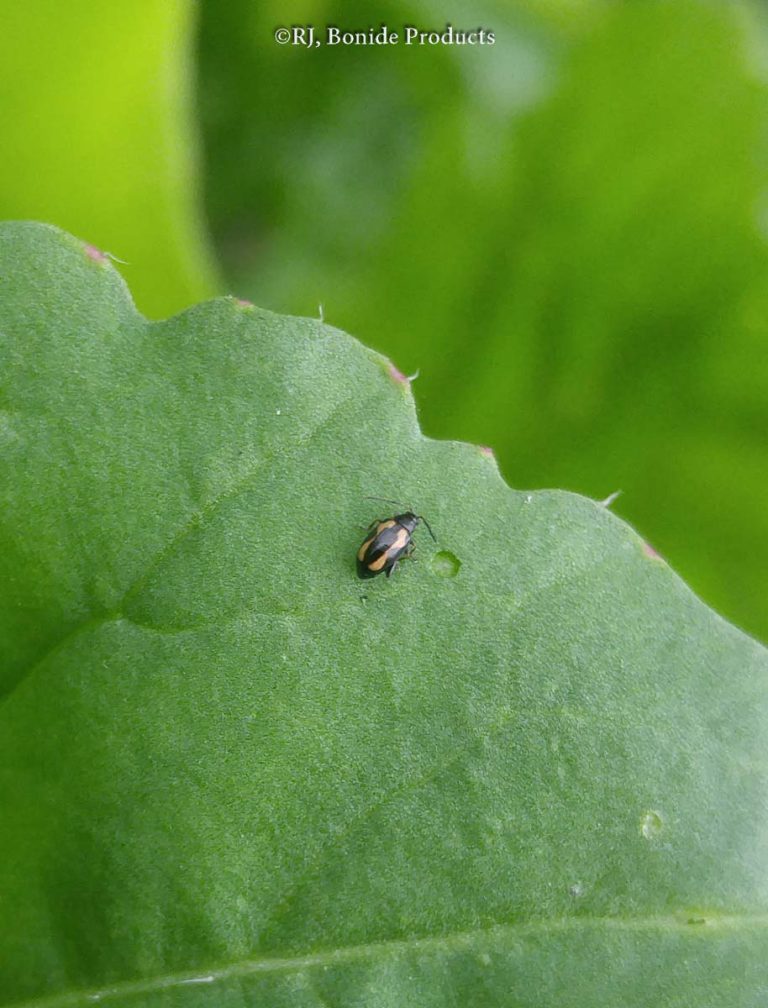
These handsome black-and-orange pests are found largely in the southern half of the country. Shield shaped and 1/4 inch long, the harlequin is a type of stink bug, releasing a...

Hornworms

Hornworms
Up to 5 inches long, hornworms are the larvae of large brown moths that fly like hummingbirds. Both tomato and tobacco hornworms are green with diagonal white stripes; the horn,...

Imported Cabbageworms

Imported Cabbageworms
These velvety, light green caterpillars are similar to cabbage loopers (see page 26) in size, but more conventional in gait. Older caterpillars have faint yellow stripes. Target: Primarily cole crops....

Japanese Beetles

Japanese Beetles
Found primarily in the eastern United States, this pest eats almost everything except vegetables. The C-shaped grubs whitish, up to 1-inch-long, with brown heads and three pairs of legs feed...

June Beetles

June Beetles
Varying in color and size by the species, this beetle flies after dusk and is attracted to light. The various common names, may beetle, June bug, June beetle, refer to...

Lacebugs

Lacebugs
Various species of these true bugs are found in all parts of the country. Both the whitish, 1/8-inch-long, lacy winged adults and the darker, wingless nymphs, suck sap from leaf...

Leaf Miners

Leaf Miners
This is a catch all name for certain moth, beetle, and fly larvae that tunnel between the upper and lower surfaces of leaves, ruining crops of leafy vegetables and disfiguring...

Leafhoppers

Leafhoppers
There are some 2,500 species of these small, agile, wedge-shaped insects; many types are handsomely colored and patterned. Both adults and nymphs, which look like wingless or short-winged adults, suck...

Leafrollers

Leafrollers
The name ''leaf-roller'' applies to the many species of caterpillars that roll leaves around themselves as they feed, creating a protective tube. Color and size vary with the species. Some...

Mealybugs

Mealybugs
Common on houseplants, these sap feeding aphid relatives are also found outdoors in warm climates. The name '"'mealybug'"' refers to the female insects' powdery wax coating- a shield that prevents...

Mexican Bean Beetles

Mexican Bean Beetles
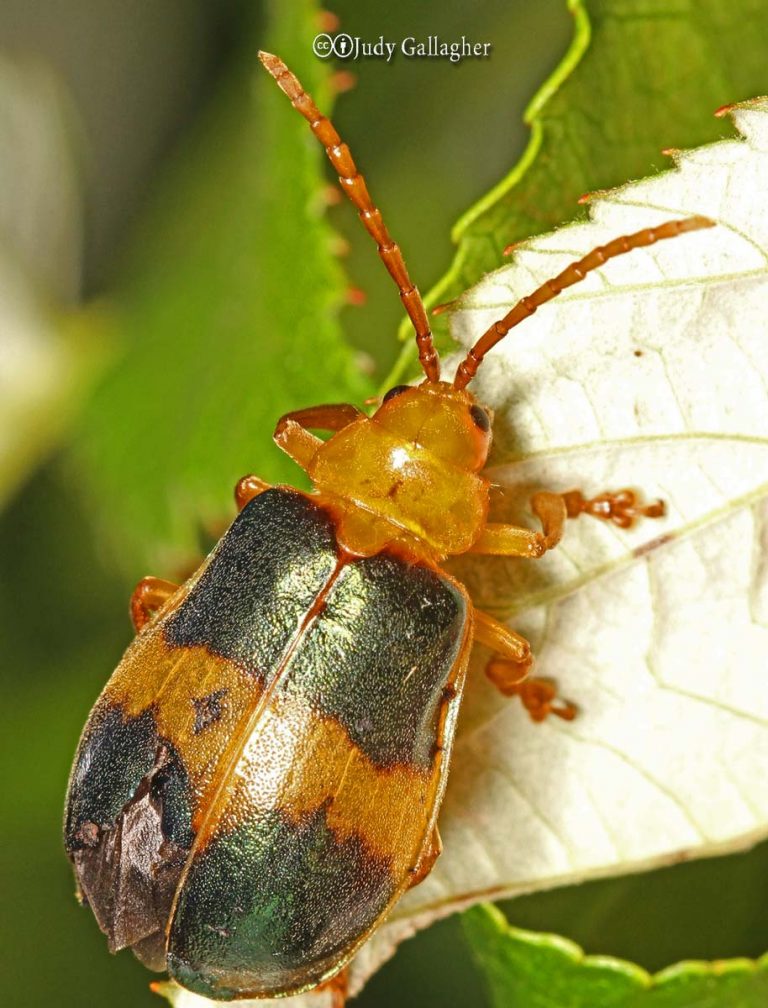
Most common in the East, these copper colored beetles, each with 16 black spots, resemble ladybird beetles in size and shape. The legless, 1/3 inch long larvae are yellow with...

Millipedes

Millipedes
Although their name suggests otherwise, these nocturnal, hard-shelled, worm-like creatures don't have a thousand legs, but only up to a mere 400. Slow moving and ranging from 1/2 to 2...

Mites

Mites
Mites are small arthropods with two body regions, sucking mouthparts, no antennae, and four pairs of legs as adults. The life cycle of a mite has four active stages: egg,...

Mole Crickets

Mole Crickets
Mole crickets are thick-bodied insects about 1 - 2 in long, with large beady eyes and shovel-like forelimbs made for burrowing and swimming. They can also fly: the adult mole...

Mosquitoes

Mosquitoes
Mosquitoes are insects in the order Diptera (flies), which have only a single pair of wings. The wings of mosquitoes are narrow and have a fringe of scales on the...

Parsleyworms

Parsleyworms
This elusive, 2 inch long, brilliantly colored caterpillar, which protrudes a pair of orange horns when disturbed, is rarely seen in gardens. Although technically a pest, it's so pretty you...

Plant Bugs

Plant Bugs
Plant Bugs (Tarnished, Four Lined, Scentless...) are extremely agile insect owes its name to its mottled brown coloring. A true bug, it has a shield-shaped body with a triangular arrangement...

Potato Tuberworms

Potato Tuberworms
A pinkish white, 1/2 inch long caterpillar with a brown head, this pest tunnels into the stems, tubers, and fruit of its target plants. It's a problem in the southern...

Psyllids

Psyllids
The several species of these aphid size insects, which suck sap primarily from leaf undersides, are sometimes called jumping plant lice. They feed on a variety of plants, including fruit...