
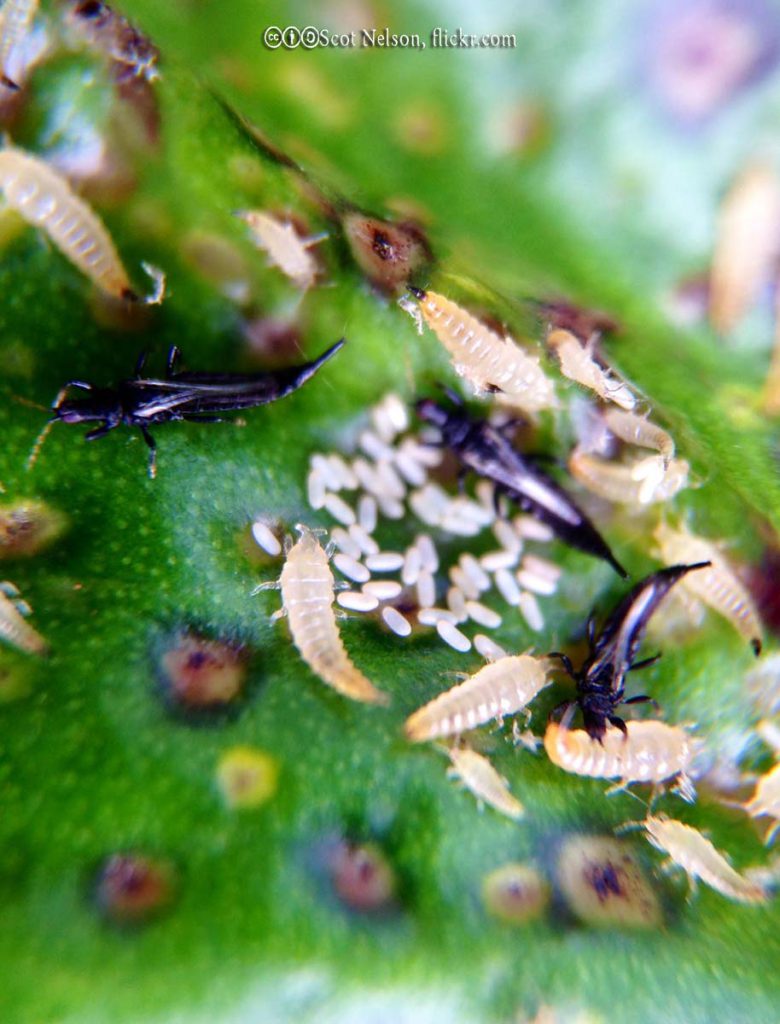
Thrips
A few types of these narrow, barely visible insects are predators, but most are pests. Some kinds eat just about any plant, while others attack only a single species. Both the fringe-winged adults and the wingless nymphs scrape plant tissues and suck the juices. They often hide in buds and blossoms.
Target: Many ornamentals, especially flowers; most fruits and vegetables.
Damage: Plant parts are speckled, streaked, or distorted, but lack the webbing characteristic of mite damage. Black specks of excrement are visible. Some thrips transmit viruses.
Life cycle: Adults of most species lay eggs on plants, although some reproduce without mating. Because the entire life cycle takes just 2 to 3 weeks, there are many generations each year and in warm climates reproduction is continuous.
Notes: Dry plants are more likely to be attacked, so water adequately. Thrips hiding in plant parts are safe from contact pesticides, so use systemics when practical.
Bonide Solutions
-
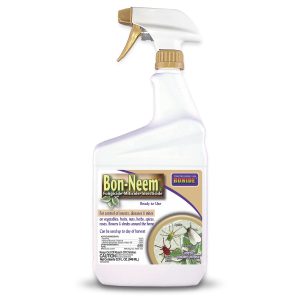 Bon-Neem® II Ready-to-Use
-
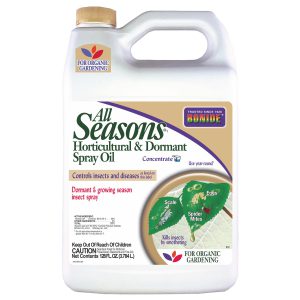 All Seasons Horticultural Oil Concentrate
-
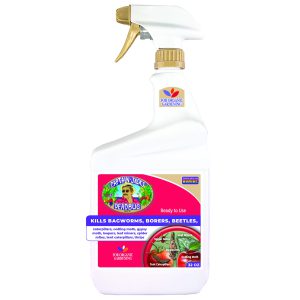 Captain Jack’s DeadBug Brew® Ready-to-Use
-
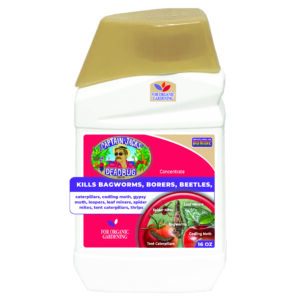 Captain Jack’s DeadBug Brew® Concentrate
-
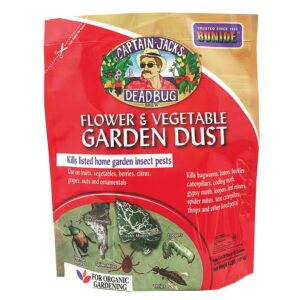 Captain Jack’s DeadBug Brew® Dust
-
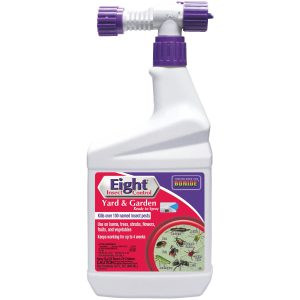 Eight Yard & Garden Ready-to-Spray
-
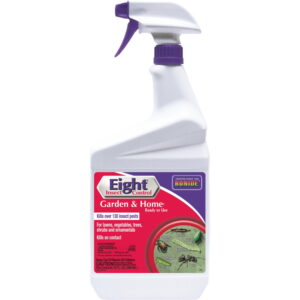 Eight Insect Control for Garden & Home: Ready-to-Use Spray
-
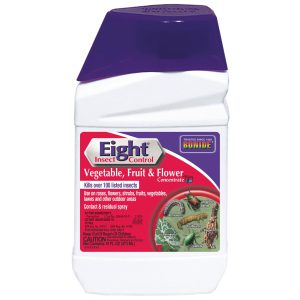 Eight Vegetable, Fruit, & Flower Concentrate
-
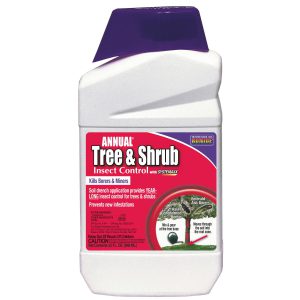 Annual Tree & Shrub Insect Control w/ Systemaxx Conc
-
 Tomato & Vegetable 3-in-1 Ready-to-Use
-
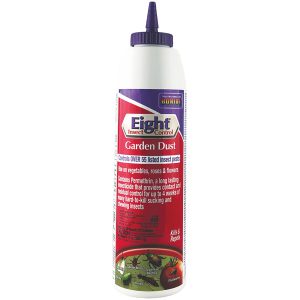 Eight® Insect Control Garden Dust
-
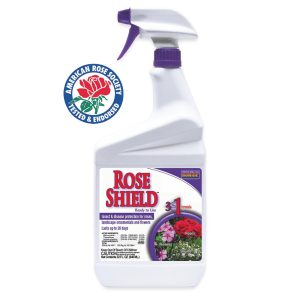 Rose Shield RTU
-
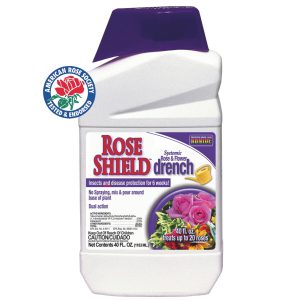 Rose Shield Systemic Rose & Flower Drench
-
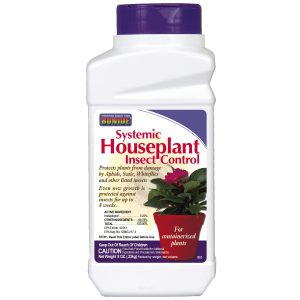 Systemic Houseplant Insect Control
-
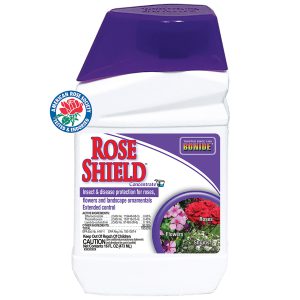 Rose Shield Concentrate
-
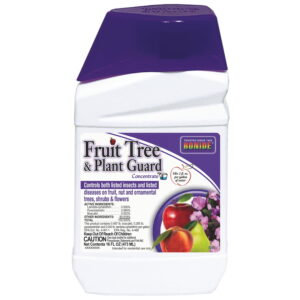 Fruit Tree & Plant Guard Concentrate
-
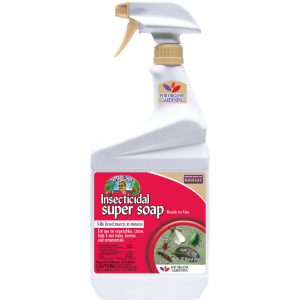 Insecticidal Super Soap RTU